Walking Tour
Clan Pole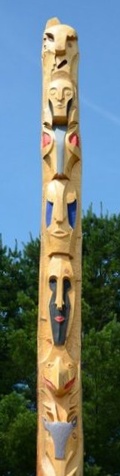
The clan pole honors the lineage, clans, and tribes of our family as well as the human family. In a sense, it magnetizes stability, supporting the sacred trust of caretaking this Land. See article that talks about the Clans and the making of the pole.
Peace Stupa
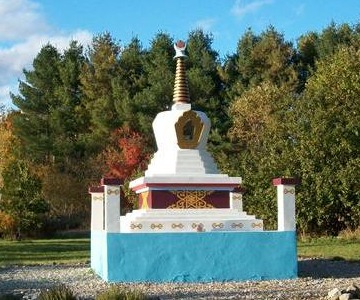 Built by Drikung Kagyu monks from India and Sunray community members, the Peace Stupa is a Buddhist reliquary statue that represents the Mind of Enlightenment. A sacred peaceful place for prayer and contemplation. Click Here to learn more about this sacred site and its significance.
Adawees Temple
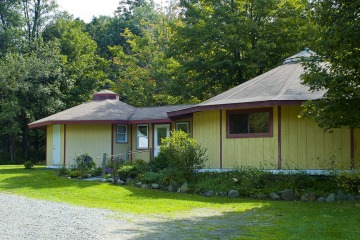 The beautiful Temple is a 13-sided, year-round building used for weekly community meditations, and Teachings programs.
Community Hall
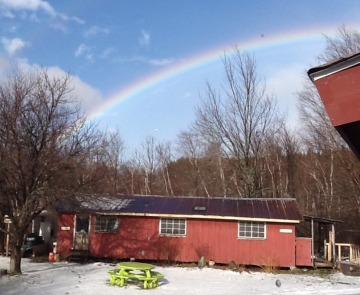 A simple place: a communication hub with land line and wifi connection; a place to visit with friends, new and old; a place to just sit on the porch or under the apple tree and enjoy the view!
Retreat Camping Meadow
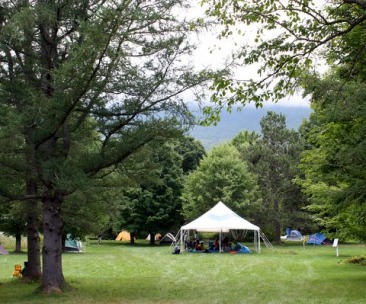 Trees line the meadow, offering shade. All camp sites are reserved for those attending Sunray programs or on retreat. There is currently no year–round accommodation. There are two freshly renovated bathhouses and a wonderful deep pristine source of water flowing from the surrounding mountains. See Visitors page for more information.
White Tara Shrine
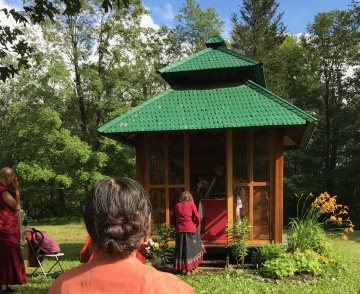 The White Tara (the female Buddha of healing and long life) is filled with prayers and sacred mantras and relics, according to the traditions of the Nyingma and Drikung Kagyu lineages, and consecrated, thereby recreating and empowering the divine spiritual image of this enlightened being. The White Tara shrine offers a place of pilgrimage and quiet contemplation.
Moon Circle
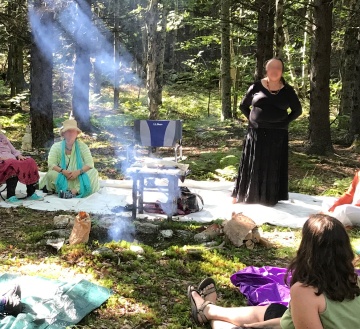 The Moon Circle is where women gather for council and prayer. Here females of all ages share teachings about the Moon time.
Ceremonial Arbor
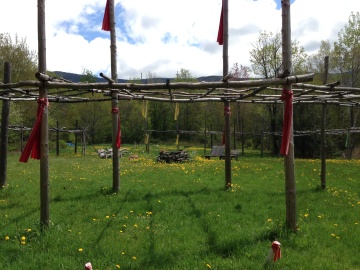 The Arbor is a circular frame of cedar poles surrounding a large open area with a Ceremonial Fire at the center. The Gates of the Arbor represent the Four Directions. The Ceremonial Fire is a symbol of the one Light from which all beings have arisen.
Moon Arbor
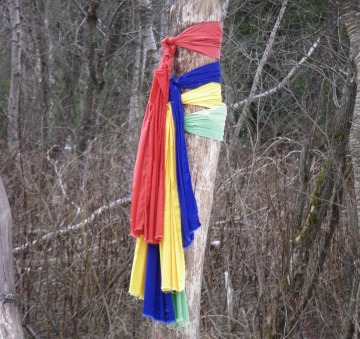 The Moon Arbor is to the southwest of the Ceremonial Arbor. It is a rectangular shaped frame of cedar poles with a central Sacred Fire kept by Grandmothers of the community. Women on their moon time (menstruating) participate in ceremonies from the Moon Arbor, a place of honor where they are served and supported. “Moon Mamas” have enhanced sensitivity to the energies of the earth and sky and their perception of subtle energies during this period is keener. For this reason, Moon Mamas are watchful over the ceremony, sharing their perceptions with the Elders.
Lotus Labyrinth
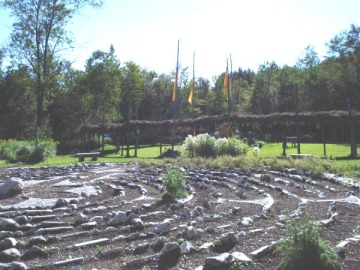 The labyrinth is an ancient structure that many religions used for walking meditation. The design of this path engages the intuitive, mystical right brain in a contemplative, meditative manner.
Burial Mound
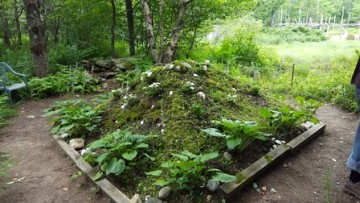 The Sacred Mound is the resting place of the ashes of those with a strong heart connection to Sunray. The mound is aligned with the Eastern Gate of the Ceremonial Arbor, allowing access to their wisdom during ceremony, and supporting the good deeds created during the interred beings’ lifetimes.
Sweat Lodge Grounds
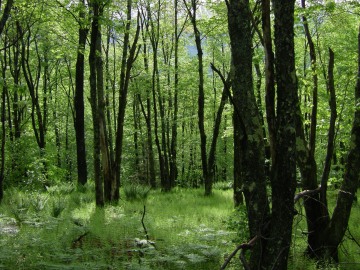
During the sweat lodge ceremony, we acknowledge the deep mystery of purification and the renewal that takes place.
Mountain Stream
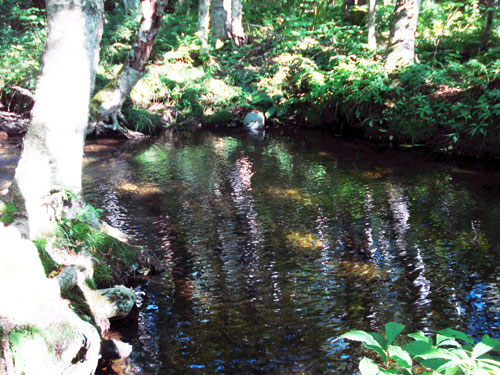 A babbling brook, a contributory of the New Haven River system, offers waters of forgiveness and a quiet place to sit. Hear the sound of this stream on our Resources page.
Green Mountain National Forest
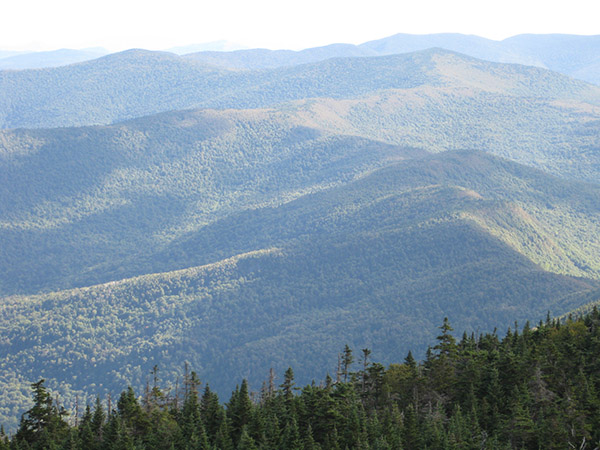 East of the Sunray Peace Village Land Trust are the beautiful Green Mountains of Vermont. Mt. Abraham forms a towering ridge above the Peace Village, inspiring the alternate name for the Peace Village, Odali Utugi, or Hope Mountain.
Peace Village Logo
Thanks for visiting!